Choosing Wedding Photography in Seychelles
For most couples, planning wedding photography in Seychelles starts long before the wedding day itself. You are often making choices from abroad: which island feels right, how much travel the day should include, when the light is likely to feel softer, and how to make the photographs feel natural rather than over-produced.
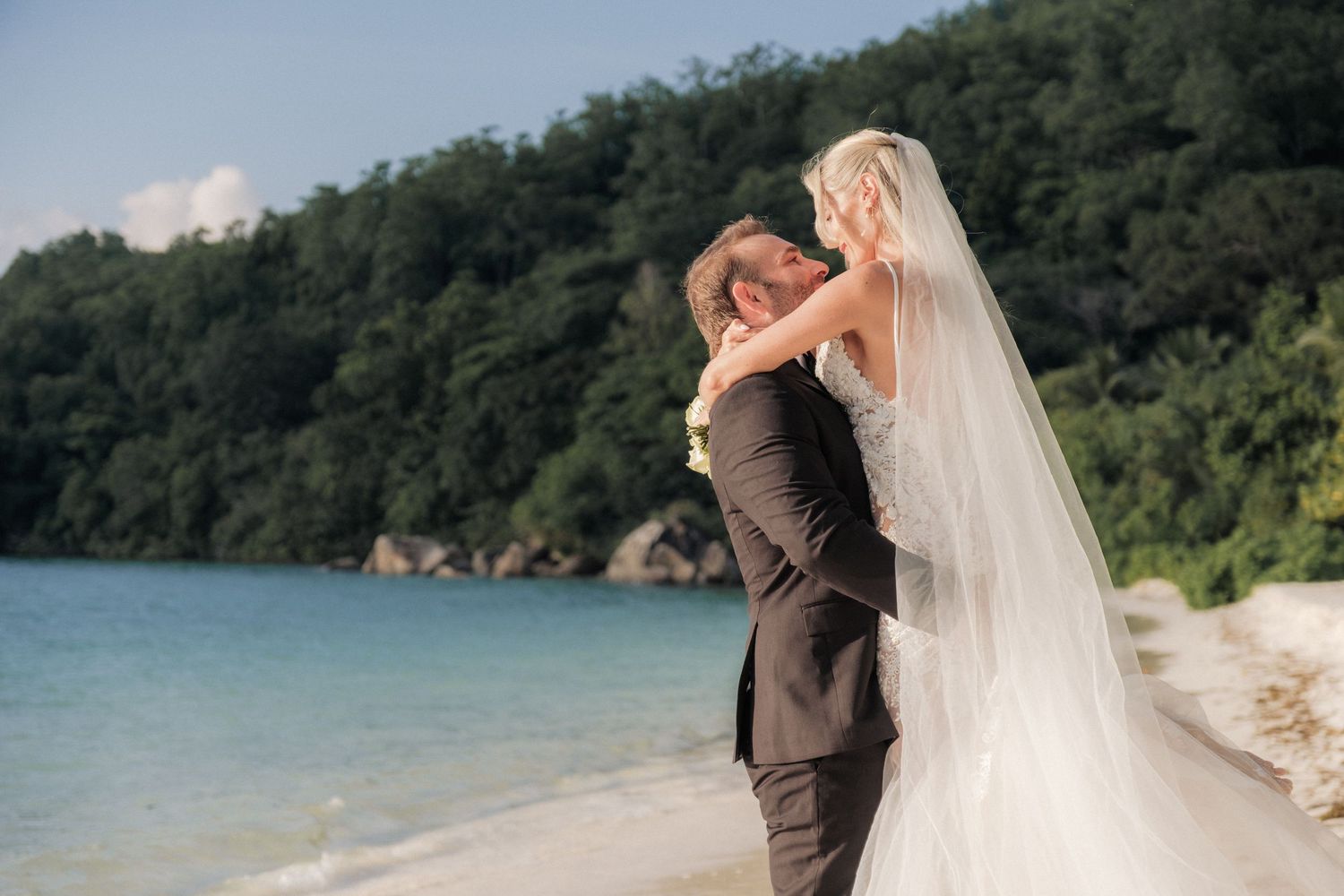
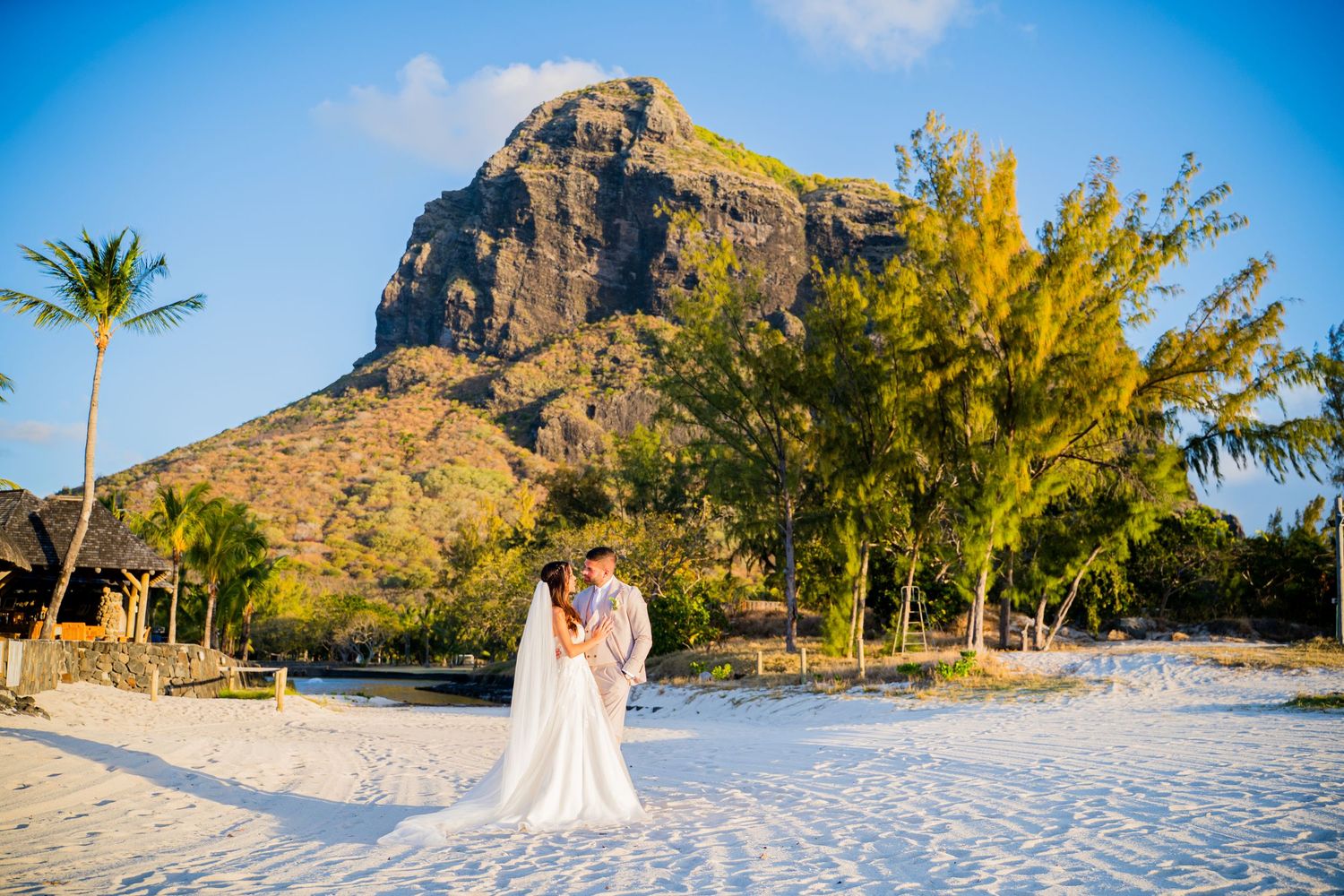
Seychelles is visually extraordinary, but beautiful scenery alone does not make a calm wedding gallery. Granite rocks, wind, tropical light, short transfer windows, and changing weather all shape the rhythm of the day. The strongest photography plans are usually the simplest ones: enough space, a clear route, thoughtful timing, and a photographer who understands how the islands behave in real conditions.
If you are still choosing the right fit for the day, you can also explore our Seychelles wedding photography service for a clearer sense of how Luminair approaches weddings and elopements across the islands.
Start with the shape of the day, not only the scenery
It is tempting to begin with the most dramatic beach or the most iconic granite-rock setting. In practice, wedding photography works best when the location supports the day you are actually planning.
A private ceremony with just the two of you needs something different from a larger wedding at a resort. A short celebration with family may need portraits close to the ceremony space. A relaxed elopement may allow a quieter walk and more movement between locations. The question is not simply which place looks best in photos. The better question is which setting gives you the calmest experience and the strongest light at the right moment.
Mahe, Praslin, La Digue, and private islands feel different on a wedding day
Each island changes the rhythm of photography.
Mahe often gives the easiest logistics. It works well for couples who want variety without losing too much time to travel. Resorts, quiet beaches, elevated viewpoints, and ceremony spaces can sit close enough together to keep the day flowing well.
Praslin can feel slower and more spacious. It suits couples who want a softer pace and a more intimate atmosphere, especially when the wedding is centred around one property or one stretch of coastline.
La Digue has a distinctive character: slower movement, strong texture, bicycle routes, granite formations, and a setting that often feels quieter and more personal. It can be beautiful, but timings need to be handled carefully if boats, transfers, or formalwear are involved.
Private islands can feel especially refined and intimate, but they usually require more planning around access, timing, resort permissions, and how much movement is realistic within the celebration.
The right island is the one that supports the experience you want, not only the background you imagine.
Light matters more than many couples expect
Seychelles light can change the whole feeling of a gallery.
Middle-of-the-day sun is often bright, direct, and less forgiving for portraits. It can work for documentary coverage, but most couples find that the softer parts of the day feel more comfortable and photograph more naturally. Early morning can be gentle and quiet. Late afternoon often gives the most flattering light for couple portraits, especially when there is enough room in the timeline for the two of you to slow down.
That does not mean every ceremony must be moved. Many destination weddings work within venue or planner constraints. What matters is understanding where flexibility still exists. A shorter portrait moment immediately after the ceremony may be enough for family and documentary coverage, while a second quieter portrait window later can create the images that feel softer, calmer, and more complete.
How to think about ceremony time and portrait time
For many couples, this is the decision that shapes the final gallery most clearly.
If the ceremony happens in stronger midday light, it usually makes sense to keep the ceremony coverage simple and well-supported, then treat the softer part of the day as the main portrait window. That often means family photographs and immediate post-ceremony images happen first, while the more refined couple portraits are saved for later when the light becomes calmer.
If the ceremony itself is timed closer to late afternoon, the portrait plan can stay tighter and more natural because the best light is already working in your favour. In both cases, the aim is the same: do not force every important image into one rushed stretch of the day. A wedding usually feels easier when the ceremony timing and the portrait timing are allowed to serve different purposes.
Wind is part of the Seychelles atmosphere
Wind is not only a technical detail. It shapes how Seychelles feels in photographs.
It can bring movement to a dress, loosen the scene, and make portraits feel alive. It can also affect hair, veils, candles, florals, and how comfortable a beach setting feels at a particular hour. Rather than treating it as a problem, it helps to plan with it in mind: choose a side of the beach with more shelter, avoid overloading the portrait plan with locations, and leave enough time so you do not feel rushed if the conditions shift.
This is especially important when the look of the day depends on softer, more natural portraits rather than heavily posed images.
Keep travel and transitions realistic
One of the easiest ways to make a destination wedding day feel strained is to underestimate travel between places.
Transfers between islands, resort access, guest movement, and even a short relocation for portraits can take longer than expected. The calmer approach is usually to reduce movement rather than increase it. One strong ceremony setting and one well-chosen portrait direction often create a better gallery than a day built around chasing several backdrops.
This is particularly true when guests are waiting, the weather is shifting, or the soft light window is shorter than expected.
Choose portrait locations that feel natural on the day
The best portrait location is not always the most famous one.
Some of the strongest Seychelles wedding portraits come from places that are practical as well as beautiful: a stretch of beach near the venue, a quiet path with wind and texture, a granite edge reached without stress, or a space that gives privacy without a long detour. Couples usually look more relaxed when the portrait plan feels like a continuation of the day rather than a separate production.
That is one reason local judgement matters. A good location on the wrong timeline can feel exposed, hot, hurried, or too public. A simpler location with better timing often creates the stronger result.
Guided portraits should still feel like you
Many couples worry that portraits will feel stiff. In Seychelles, that concern usually matters even more because the setting itself can feel theatrical if the direction becomes too formal.
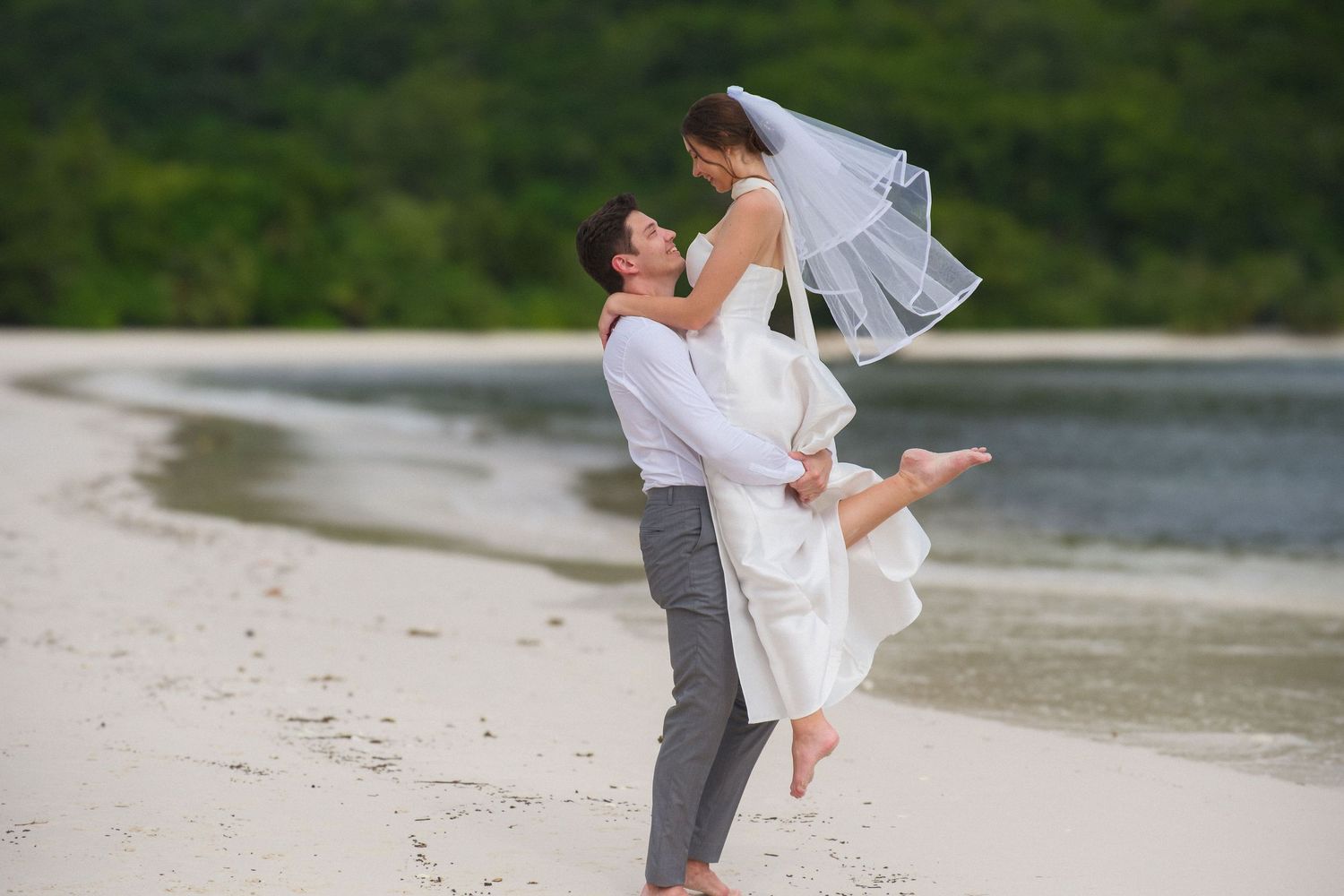
Natural portraits do not mean no guidance. They usually come from light prompts, subtle positioning, and enough time for the two of you to settle into the moment. The aim is not to produce dozens of disconnected poses. It is to create a small number of elegant, believable movements that suit the light, the space, and your own way of being together.
When that direction is calm, the photographs tend to feel more refined and less forced.
Questions worth asking before the wedding day
Even if you already know your date and venue, a few planning questions can improve the photography experience significantly:
- Which part of the day is likely to give the softest light for portraits?
- How much time should we leave for family and couple portraits?
- Is it better to keep portraits near the venue or move elsewhere?
- How might wind affect the ceremony or portrait plan?
- Are there resort or access considerations we should know early?
- If the weather changes quickly, what is the simplest backup approach?
These are the questions that usually make the difference between a day that feels rushed and a day that still feels calm when the schedule tightens.
A practical way to think about the photography plan
For most Seychelles weddings, the photography plan does not need to be complicated. A good structure often looks like this:
1. Keep the ceremony and immediate post-ceremony moments easy to access.
2. Build family portraits around the real flow of guests and light.
3. Save a quieter window for couple portraits when the light softens.
4. Leave margin for weather, travel, or venue timing to shift slightly.
5. Keep the number of portrait locations restrained.
How to use this guide in your planning
This guide is here to help you think more clearly about island choice, travel rhythm, portrait timing, and the light you want the day to hold.
If you are already moving closer to a date or venue decision, the next step is simpler: compare that plan against the photography experience you want, and make sure the day leaves enough space for both.
For a more direct look at Luminair's Seychelles wedding coverage, you can review the Seychelles wedding photography service or read the Ste Anne wedding portraits article for a more specific island example.
Planning your Seychelles wedding story
If you are planning a wedding in Seychelles, send us your date, island, and venue plans, and we can help you think through the light, timing, and portrait flow in a way that feels calm and realistic from the start.